C&I Energy Storage Investment Pitfalls: Key Considerations Before You Commit

As businesses across manufacturing, logistics, retail, and commercial campuses increasingly turn to energy storage to manage rising electricity costs, enhance grid resilience, and capture financial incentives, the market is expanding rapidly. However, this growth often comes with accelerated sales cycles, leading some project managers to sign contracts without fully understanding the long-term implications. The result can be underperforming systems, unexpected costs, and extended return-on-investment timelines.
To help you make an informed decision, here are five common investment traps in commercial and industrial energy storage—and how to avoid them.
Trap 1: Focusing Only on Upfront Cost, Not Total Cost of Ownership
Many buyers evaluate storage systems solely based on the initial purchase price, overlooking the ongoing expenses that accumulate over a project’s 10- to 15-year lifespan. These hidden costs include operations and maintenance, component replacements, grid interconnection fees, insurance, and software licensing. Failing to account for them can significantly erode projected returns.
How to avoid it:Request a full lifecycle cost model from vendors, not just a capital quote. Ask about annual degradation guarantees, replacement cycle assumptions, and warranty coverage details.
Trap 2: Incorrect System Sizing
Oversizing a system ties up capital in unused capacity, while undersizing leaves potential savings on the table by failing to fully cover peak demand or arbitrage opportunities. Proper sizing requires a detailed analysis of your load profile—including peak timing, duration, and seasonal variations.
How to avoid it:Look for flexible, modular configurations that allow right-sizing at installation and easy expansion as needs evolve. Ensure the system can adapt to changing load patterns.
Trap 3: Overlooking Safety and Certification Standards
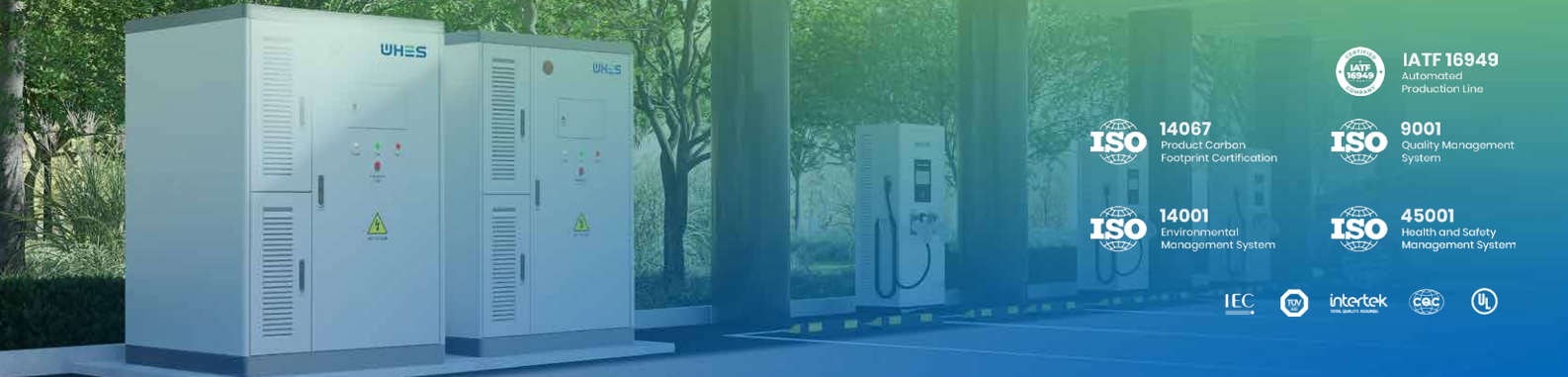
Some vendors may downplay the importance of third-party safety certifications, but deploying an uncertified system can create liability risks, void property insurance, or even prevent grid connection. Certifications like UL9540A, VDE 4110, and appropriate IP ratings provide independent validation that a system has been tested under failure conditions.
How to avoid it:Request actual certification documents and verify that the certifying body is recognized in your jurisdiction. Ask about the layers of fire protection and what triggers each level.
Trap 4: Limiting Use-Case Flexibility
Choosing a system optimized for only one application—such as peak shaving or self-consumption—can leave additional revenue streams untapped. A well-designed storage solution should support multiple use cases, including time-of-use arbitrage, demand response, microgrid operation, and fast frequency response.
How to avoid it:Ensure the system can be reconfigured for different use cases as your energy strategy evolves. Ask how operating strategies can be updated in response to tariff changes.
Trap 5: Underestimating Maintenance Complexity and Downtime Risk
A system that requires frequent, labor-intensive maintenance or experiences prolonged downtime directly reduces savings and profitability. Complex servicing needs, slow vendor response times, and limited spare parts availability can turn a promising investment into a financial burden.
How to avoid it:Prioritize systems with maintenance-reducing features, such as automated fluid management, easy access for routine checks, and remote monitoring capabilities. Scrutinize warranty terms, including coverage duration and guaranteed response times for service calls.
The WHES PC-G2: Engineered to Mitigate These Risks
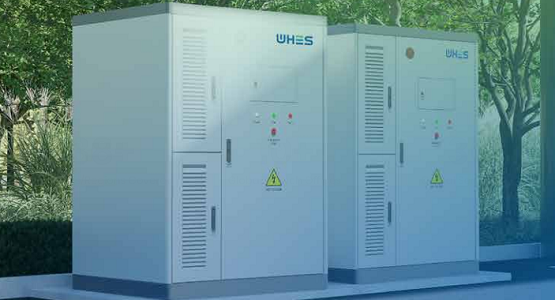
The WHES PC-G2 250kW/509kWh C&I Energy Storage System is designed to address the above challenges through:
- Reliable TCO Modeling: Powered by CATL 306Ah long-life cells with over 10,000 cycles and a service life exceeding 10 years. Features AI-enhanced BMS monitoring and uniform thermal control to minimize degradation.
- Flexible Sizing: Modular AC/DC architecture supports 2- to 8-hour configurations and parallel deployment of up to 6 units (1.5 MW/3 MWh total), enabling precise sizing and future expansion.
- Comprehensive Safety: Three-layer fire protection (detection, suppression, isolation), UL9540A certification, and robust environmental ratings (IP67 battery pack, IP55 cabinet, IP65 PCS, C5 anti-corrosion) for demanding installations.
- Multi-Scenario Support: Integrated with WHES OS for real-time optimization across peak shaving, valley filling, renewable smoothing, self-consumption, arbitrage, and demand response.
- Low Maintenance Design: Patented wall-mounted liquid cooling with automated fluid refill reduces operational burdens and unplanned downtime.
Conclusion
The energy storage system you choose today will impact your operations and finances for years to come. By prioritizing lifecycle cost transparency, verified certifications, and reliable performance guarantees, you can avoid common pitfalls and secure a sound investment. For solutions built to deliver long-term value, contact WHES to learn more.