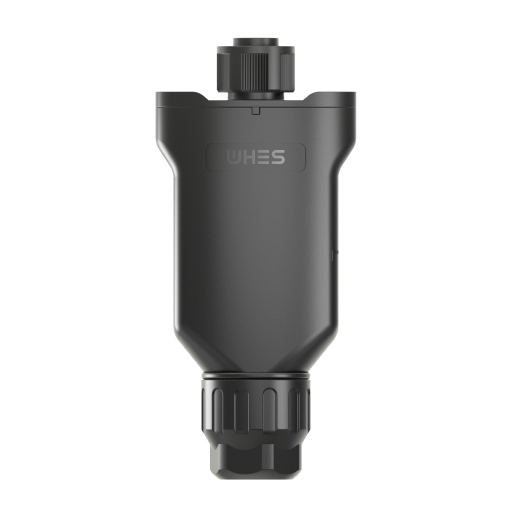

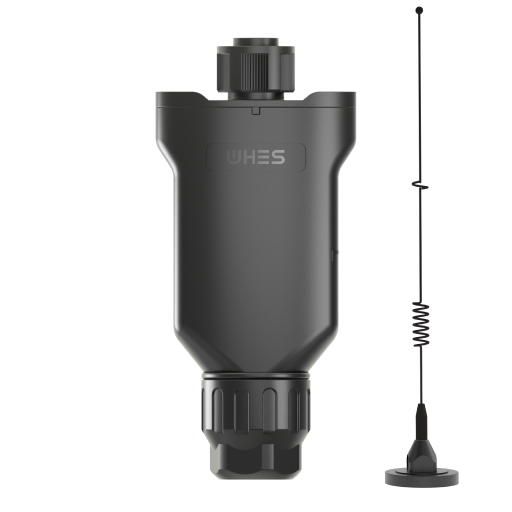
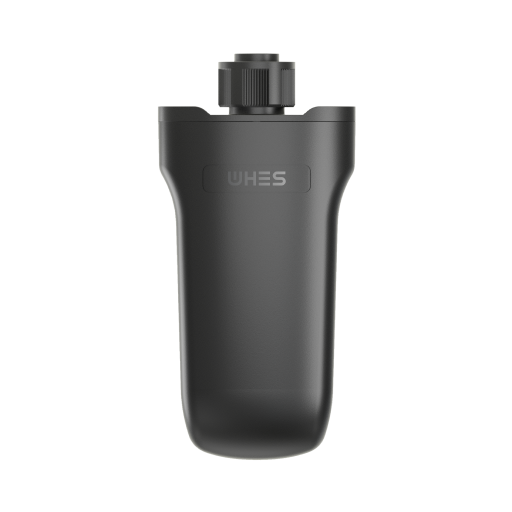
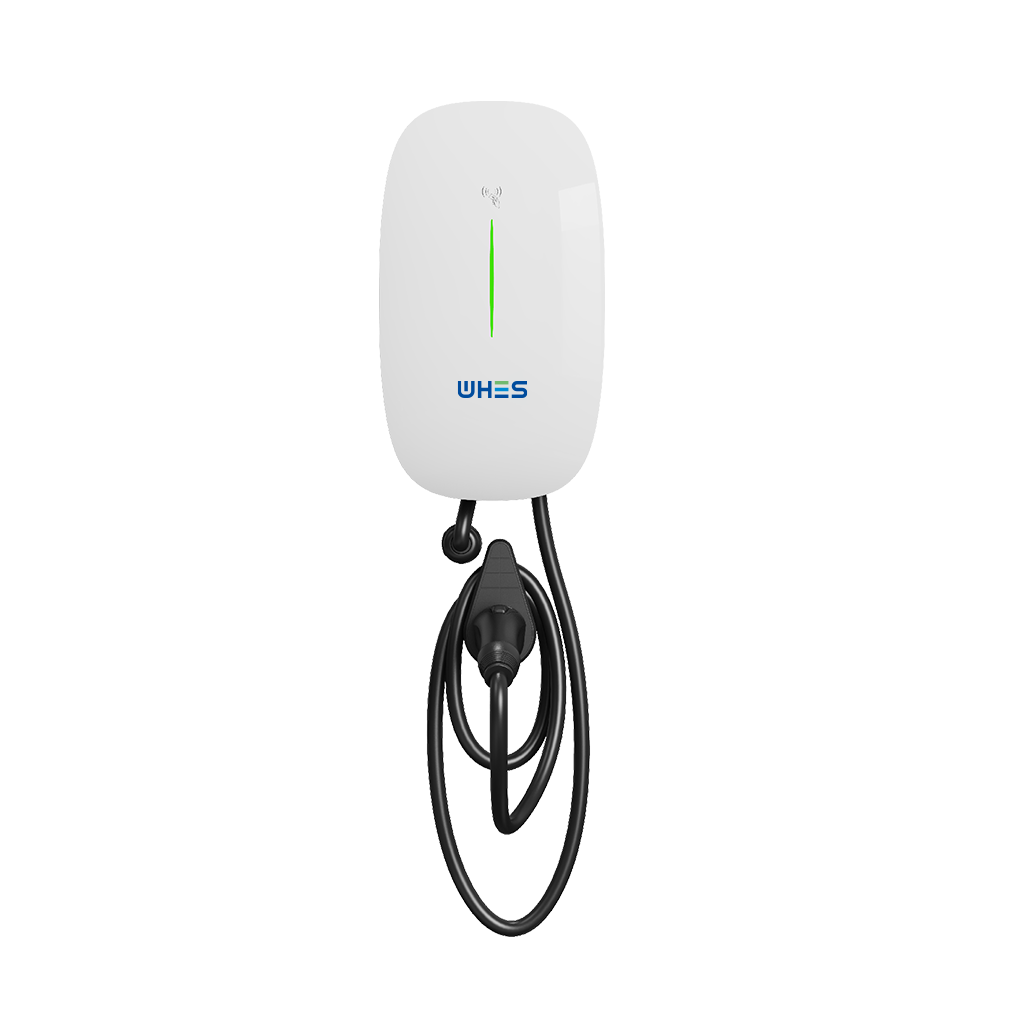
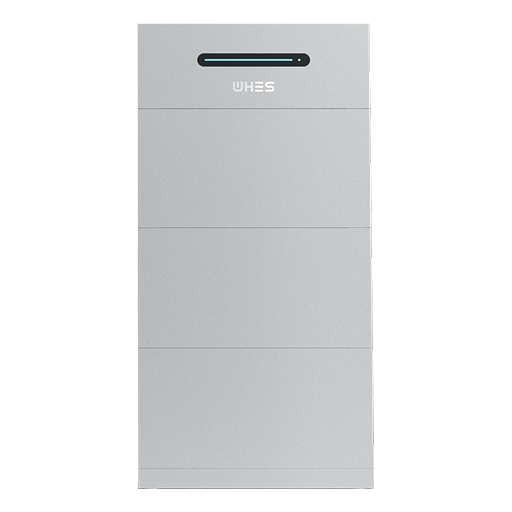
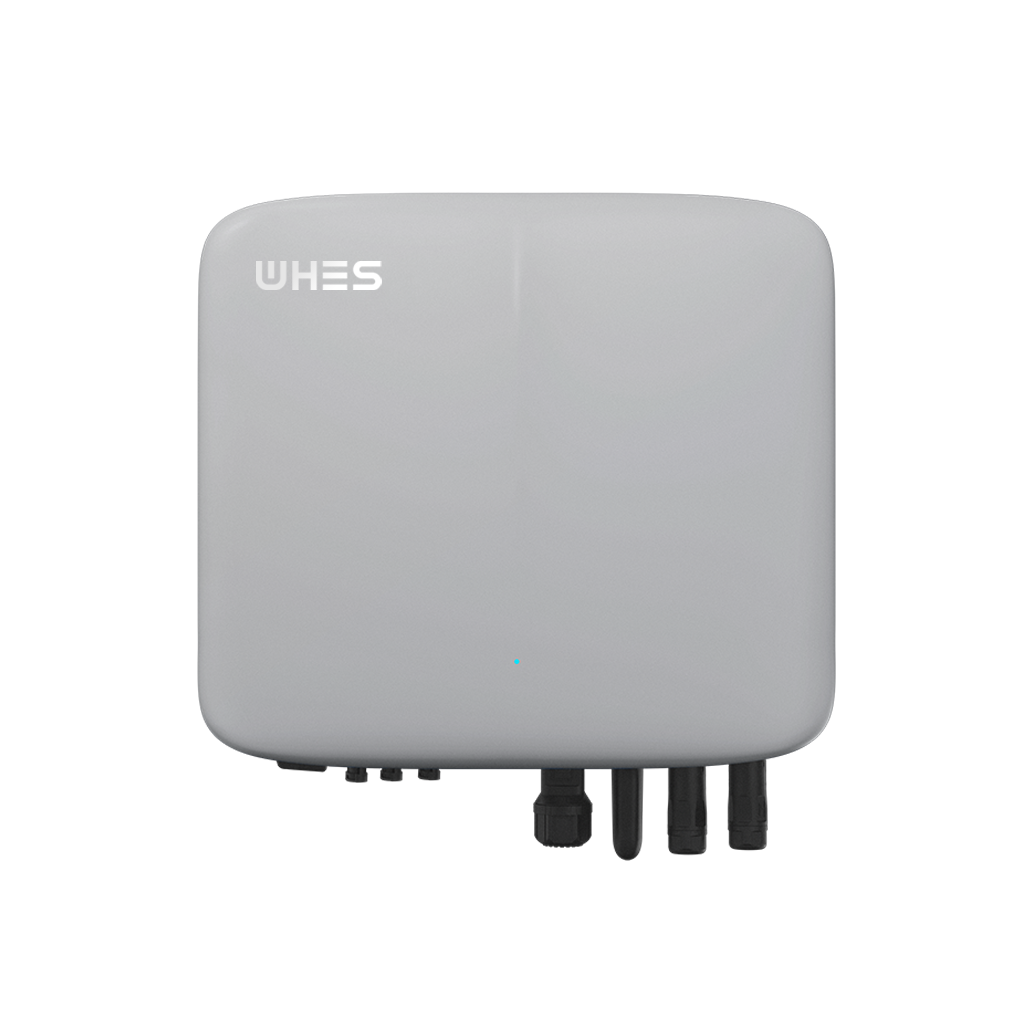
In the intricate web of a modern energy storage system, where inverters, batteries, meters, and sensors continuously generate a stream of critical performance data, the reliability of data transmission is not a luxury—it is an operational imperative. The WHES Cholla LAN Ethernet/WiFi Data Logger stands as a robust and intelligent communication nexus, engineered to fulfill this exacting demand. Its core promise, "Stable Connection, Worry-Free Data," is realized through a versatile dual-connectivity architecture that combines the rock-solid reliability of a wired LAN Ethernet connection with the flexible convenience of WiFi. This device is purpose-built to serve as the indispensable data bridge, seamlessly aggregating information from field devices and ensuring its flawless delivery to monitoring platforms, thereby empowering intelligent decision-making, proactive maintenance, and optimized performance across residential, commercial, and utility-scale energy deployments.
Core Function and Strategic Role: The Data Conduit
The Cholla LAN Logger operates as a dedicated communication gateway and protocol translator. It is designed to interface with a wide array of energy assets—such as hybrid inverters, battery management systems (BMS), power meters, and environmental sensors—that typically communicate via industrial-standard protocols like Modbus RTU over RS-485 or similar serial interfaces. The logger's primary function is to poll this operational data, encapsulate it, and transmit it to a central destination, such as the WHES ECOS cloud platform, a local SCADA system, or a third-party energy management software. Its strategic value lies in solving the critical "last-mile" connectivity challenge in diverse installation environments. In settings where network infrastructure is robust and permanent, the Gigabit Ethernet port provides a high-bandwidth, low-latency, and ultra-reliable wired backbone. In contrast, for retrofit projects, temporary sites, or locations where running cables is prohibitively difficult or costly, the integrated WiFi module offers a powerful wireless alternative. This dual-mode capability ensures that system integrators and installers are never constrained by connectivity limitations, guaranteeing that vital system data always finds a path to the analysts and operators who need it.
Design Philosophy: Versatility, Resilience, and "Set-and-Forget" Reliability
The design ethos of the Cholla LAN Logger is rooted in providing maximum deployment flexibility without compromising on industrial-grade resilience. It acknowledges that no two installation sites are identical. A utility-scale battery storage container might have readily available network switches, favoring a wired connection for its inherent stability and security. A residential garage might have excellent WiFi coverage but no easy route for an Ethernet cable. This logger is prepared for both scenarios and more. Its design prioritizes a "set-and-forget" operational paradigm. Once configured with the appropriate network credentials and data points, it is intended to function autonomously for years, requiring no routine maintenance or user intervention. Its success is measured by its invisibility; it should be a silent, unwavering component of the infrastructure that users can completely depend on. This commitment to worry-free operation is further embodied in its physical construction, which is built to withstand the environmental rigors of both climate-controlled server rooms and harsh outdoor electrical enclosures.
Technical Capabilities and Engineered Robustness
While the provided datasheet summary is concise, the product's implied specifications and typical features for such a device point to a carefully engineered solution:
- Dual Network Connectivity: The inclusion of both LAN (RJ45 Ethernet) and WiFi (likely 2.4/5 GHz dual-band) interfaces is its defining feature. The Ethernet connection offers superior performance for data-intensive applications and is immune to radio frequency interference. The WiFi connection provides installation agility and can serve as a primary link or a failover backup, enhancing system redundancy.
- Industrial Communication Interfaces: It is almost certainly equipped with standard industrial data acquisition ports, most commonly one or more RS-485 serial interfaces configured for the Modbus RTU protocol. This allows it to connect to a daisy-chained network of dozens of devices, such as string monitors in a solar farm or individual battery racks in a large ESS, consolidating their data streams into a single network packet.
- Power and Efficiency: Such loggers typically operate on a low-voltage DC supply (e.g., 9-36VDC or via PoE) with minimal power consumption, ensuring they do not contribute significantly to the system's auxiliary load and can be powered by the same low-voltage bus that serves other control equipment.
- Environmental Hardening: To live up to the "worry-free" promise, the device is undoubtedly built to stringent environmental standards. A high Ingress Protection rating (such as IP65 or higher) would be standard, making it dust-tight and resistant to water jets, allowing for direct installation in outdoor cabinets or industrial environments. A wide operating temperature range (e.g., -20°C to 70°C) ensures functionality in extreme climates, from desert heat to arctic cold.
- Security and Data Integrity: In an era of heightened cybersecurity concerns, the logger would incorporate robust security features. This includes secure boot, encrypted communication (TLS/SSL for data in transit), authentication mechanisms, and regular secure firmware update capabilities to protect the data pipeline from intrusion or corruption.
Application Scenarios: Enabling Visibility Across the Energy Spectrum
The Cholla LAN Logger's versatility makes it a critical component in numerous applications:
- Large-Scale Commercial & Industrial (C&I) ESS: In a factory or large office building with a multi-megawatt-hour battery system, multiple loggers can be deployed. Some might use Ethernet for core inverter clusters in the electrical room, while others use WiFi to connect to remotely located meter cabinets or outdoor substations. This hybrid network ensures comprehensive data collection for performance analytics, warranty tracking, and demand charge optimization.
- Utility-Scale Battery Storage Plants: For these mission-critical grid assets, data reliability is paramount. The logger can be configured in a fully wired, redundant network topology for core devices. Its ability to also support WiFi provides engineers with a convenient local diagnostic interface during maintenance without needing direct physical access to the network switch.
- Residential and Small Commercial Solar-Plus-Storage Systems: For homeowners and small businesses, the logger simplifies installation. The installer can choose the most convenient connection method based on the router's location. The stable data feed enables users to monitor their energy production, consumption, and savings in real-time through a smartphone app, while providing the installer with remote diagnostic capabilities to offer swift support.
- Distributed Energy Resource (DER) Monitoring Aggregation: As grids become more decentralized, utilities and aggregators need to monitor numerous small-scale assets. The Cholla LAN Logger, with its flexible connectivity, can be standardized across a diverse fleet of installations (some with Ethernet, some with WiFi), providing a uniform data gateway that simplifies aggregation and management for virtual power plant (VPP) operations.
Integration and Holistic Value Proposition
The logger's ultimate value is unlocked when it is integrated into a broader energy management ecosystem. It acts as the faithful translator and courier between the physical layer of power equipment and the digital layer of analytics software. By providing a continuous, trustworthy stream of granular data—from cell voltages and temperatures to power flows and efficiency metrics—it enables:
- Advanced Performance Monitoring: Real-time dashboards and historical trend analysis to verify system health and ROI.
- Predictive & Preventative Maintenance: Machine learning algorithms can analyze data patterns to forecast potential component failures, allowing for scheduled maintenance before an outage occurs.
- Remote Configuration and Troubleshooting: Significant reduction in operational expenses (OPEX) by enabling technicians to reconfigure settings, update firmware, and diagnose issues from a central location, eliminating unnecessary site visits.
- Regulatory and Reporting Compliance: Automated, time-stamped data logging creates an immutable record for safety audits, grid code compliance reports, or renewable energy certificate (REC) generation.
Conclusion
The WHES Cholla LAN Ethernet/WiFi Data Logger is a strategically engineered solution to one of the most pragmatic challenges in smart energy systems: getting the data out, reliably and consistently. Its dual-connectivity design is a direct response to the varied realities of field installations, offering a future-proof solution that adapts to the site, not the other way around. More than just a piece of hardware, it is an enabler of intelligence, a foundation for digital services, and a guardian of data integrity. By ensuring a stable, worry-free connection, it allows asset owners, operators, and service providers to focus on what the data means—optimizing performance, ensuring reliability, and maximizing the value of their energy investments—rather than worrying about whether the data will arrive at all. In the data-centric world of modern energy management, the Cholla LAN Logger is the indispensable link that turns raw operational signals into actionable business insight.